From English Teacher to Digital Marketer in Dubai: What Carried Over
The short answer
More carried over than I expected, and less than I hoped. Writing, explaining things clearly and understanding what an audience needs transferred almost completely. Platform knowledge, measurement and commercial thinking did not, and I had to learn them from scratch. If you are thinking about the same move, treat your old career as a head start on communication, not as a shortcut past the technical work.
I did an MA in English and graduated in 2019. Teaching was the plan. Then the pandemic moved everything online, I found digital marketing through an internship at a small agency in Calicut, and I never went back. Later I moved to Dubai and worked in-house on paid media, SEO and lead generation for UAE businesses.
People often ask whether that background helped or whether it was dead weight. The honest answer is both, in different places. Here is how I sort it.
What carried over
Writing for a specific reader
A lesson plan and an ad have the same first question: who is reading this, and what do they already know? A Dubai homeowner comparing renovation companies does not want your company history. They want to know whether you will finish on time and what it will cost. Training to write for a specific reader made that instinct automatic.
This matters more than people think. Most weak ads and landing pages are weak because the writer described the business instead of answering the reader's question.
Explaining without jargon
Business owners do not want to hear about "cost per result" or "attribution windows". They want to know whether the money is working. Being able to explain a technical idea in plain words, then check that it landed, is a large part of working with clients. It is also most of what separates a consultant from a report generator.
Structure and editing
Good teaching breaks a big idea into steps in the right order. The same skill builds a landing page that moves a visitor from problem to proof to action, and a blog post that answers the question before it wanders. If you have marked essays, you already know how to spot a weak argument. That transfers directly to reviewing copy.
Patience with repetition
Marketing is repetitive. You test a headline, read the result, adjust and test again. Most tests teach you something small. Anyone who has explained the same point four different ways to get it across is already comfortable with that loop.
What did not carry over
Platform mechanics
Knowing how Meta Ads or Google Ads actually work is not something an English degree gives you. Campaign structure, bidding, audiences, conversion tracking and the way each platform's learning phase behaves all had to be learned by doing, with real budgets and real mistakes. Courses help with vocabulary. Practice builds judgement.
Numbers
Academic writing rewards a well-argued opinion. Advertising rewards whatever the data says, even when it contradicts your favourite idea. I had to get used to being wrong in public, often, with a dashboard as the evidence. Learning to read cost per lead, conversion rate and lead quality honestly was the biggest mental shift.
Commercial thinking
A campaign is not successful because it looks good or gets clicks. It is successful if it produces customers at a cost the business can afford. That means understanding margins, sales cycles and what happens to a lead after the form is submitted. Nothing in my earlier training covered it, and it took the longest to develop.
UAE-specific rules
Marketing in the UAE comes with local rules that a career changer will not know yet, such as advertiser permit requirements for social media promotion. I covered that in the UAE advertiser permit explained. Learning the local rules early protects both you and your clients.
A practical path for career switchers
- Pick one channel. Do not try to learn everything. Choose Google Ads, Meta Ads or SEO and go deep enough to run something real.
- Use the official training. Google provides Google Ads certifications through Skillshop, and the foundational ones are free. Meta runs Blueprint training and a separate certification exam. Check each platform's current terms and fees on its own site before enrolling.
- Learn measurement early. Set up conversion tracking on a test site, then learn to read the numbers before you spend meaningful money.
- Practise with small, real budgets. A small local project teaches more than a certificate does. Keep notes on what you tried and what happened.
- Build visible proof. A short write-up of each project, with your reasoning and what you would change, is a better credential than a CV line. My thinking on this is in how to build a personal brand on LinkedIn as a freelancer in Dubai.
- Get inside a real business first. An internship or in-house role teaches you budgets, approvals and reporting faster than working alone.
- Learn how your work gets judged. Ask what a good lead is, what the sales team does with it and how long it takes to close.
- Add AI tools deliberately. They speed up drafting and research, but they cannot decide what is worth doing. I wrote about that in whether AI will replace digital marketers in the UAE.
Mistakes I would tell a career switcher to avoid
- Collecting certificates instead of experience. They prove you studied. They do not prove you can run a campaign that makes money.
- Going freelance too early. Without experience of real budgets, you learn on a client's money.
- Hiding the old career. A different background is an advantage if you can explain what it gives you. Say it directly.
- Trusting your taste over the data. If the ad you dislike gets better leads, the ad you dislike wins.
- Ignoring what happens after the lead. A campaign that generates enquiries nobody follows up has not worked.
Why the move can work in Dubai
Dubai businesses compete hard for attention, many are run by owners who want clear answers about where their money is going, and the market rewards people who communicate well and can show results. That favours people from communication-heavy backgrounds, as long as they back it with technical skill.
It also helps to understand where the market is heading. If you are choosing between working for an agency and working independently, my breakdown in freelance marketer vs agency in Dubai explains how each model works from the client's side, which is useful to know before you pick a direction.
Frequently asked questions
Can an English graduate become a digital marketer in Dubai?
Yes. Writing, editing, explaining and structuring information are core marketing skills, and ad copy, landing pages and search content all depend on them. What you add is platform knowledge and measurement: how Meta Ads, Google Ads and analytics tools work, and how to judge results in numbers.
What skills from teaching transfer to digital marketing?
Writing clearly for a specific audience, breaking complex ideas into steps, giving and receiving feedback, patience with repetition, and judging whether a message landed. The last one matters most, because in marketing the data tells you whether your message landed, not your own opinion of it.
What do I need to learn first when switching into digital marketing?
Start with one channel, usually Google Ads or Meta Ads, plus basic analytics and tracking. Google offers free Google Ads certifications through Skillshop, and Meta runs Blueprint training with a separate paid certification exam. Check each platform's current terms before enrolling.
Do I need a marketing degree to work in Dubai?
No degree is strictly required to start, though employers in the UAE increasingly look for proof you can deliver. A small portfolio, live practice campaigns, certifications and a clear explanation of your process usually count for more than the subject of your degree.
Should I go freelance or get a job first?
For most career switchers, a job or internship first is the safer route, because you learn how real budgets, clients and reporting work before you carry the risk yourself. Freelancing makes more sense once you can show results and have a few reliable contacts.
How long does it take to become job-ready?
It depends on how much hands-on practice you get. Courses teach the vocabulary, but competence comes from running real campaigns and reading real results. Expect months of practice rather than weeks, and treat every early project as a learning exercise.
The short version
Your first career gives you a communication advantage, not a finished skill set. Keep what transfers, learn the platforms and the numbers properly, and prove it with real work you can show.
Thinking about a similar switch, or hiring someone who made one?
If you are planning a move into digital marketing, tell me where you are starting from and I will tell you honestly what I would learn first. If you run a Dubai business and want clear, plain-language marketing advice, message me on WhatsApp or LinkedIn.
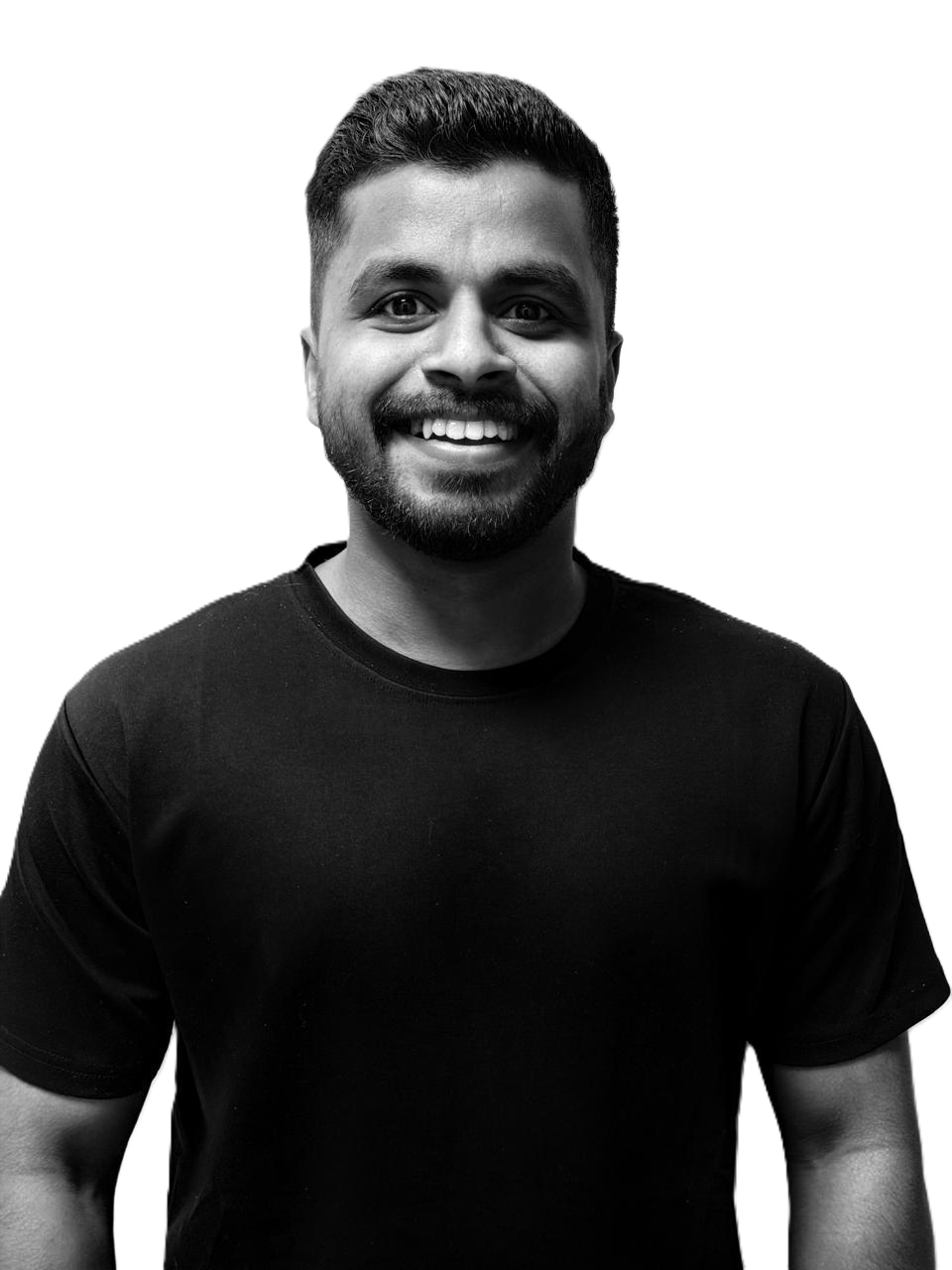
Jabir K
AI digital marketing consultant in Dubai with 6 years of UAE experience and roughly AED 1.8M in managed ad spend across Meta, Google, LinkedIn and Snapchat. Works with UAE SMEs on paid media, lead pipelines and AI search visibility.
- Google Ads Help, About Google Ads certifications, and Skillshop, Google's training platform
- Meta Business Help, Meta Blueprint certification information and exam FAQs
Training programmes, fees and certification terms change. Check the platform's own site for current details. This post reflects my own professional experience and is not career advice.